Strata Pet Rules in NSW: Can You Keep a Pet in Your Apartment?
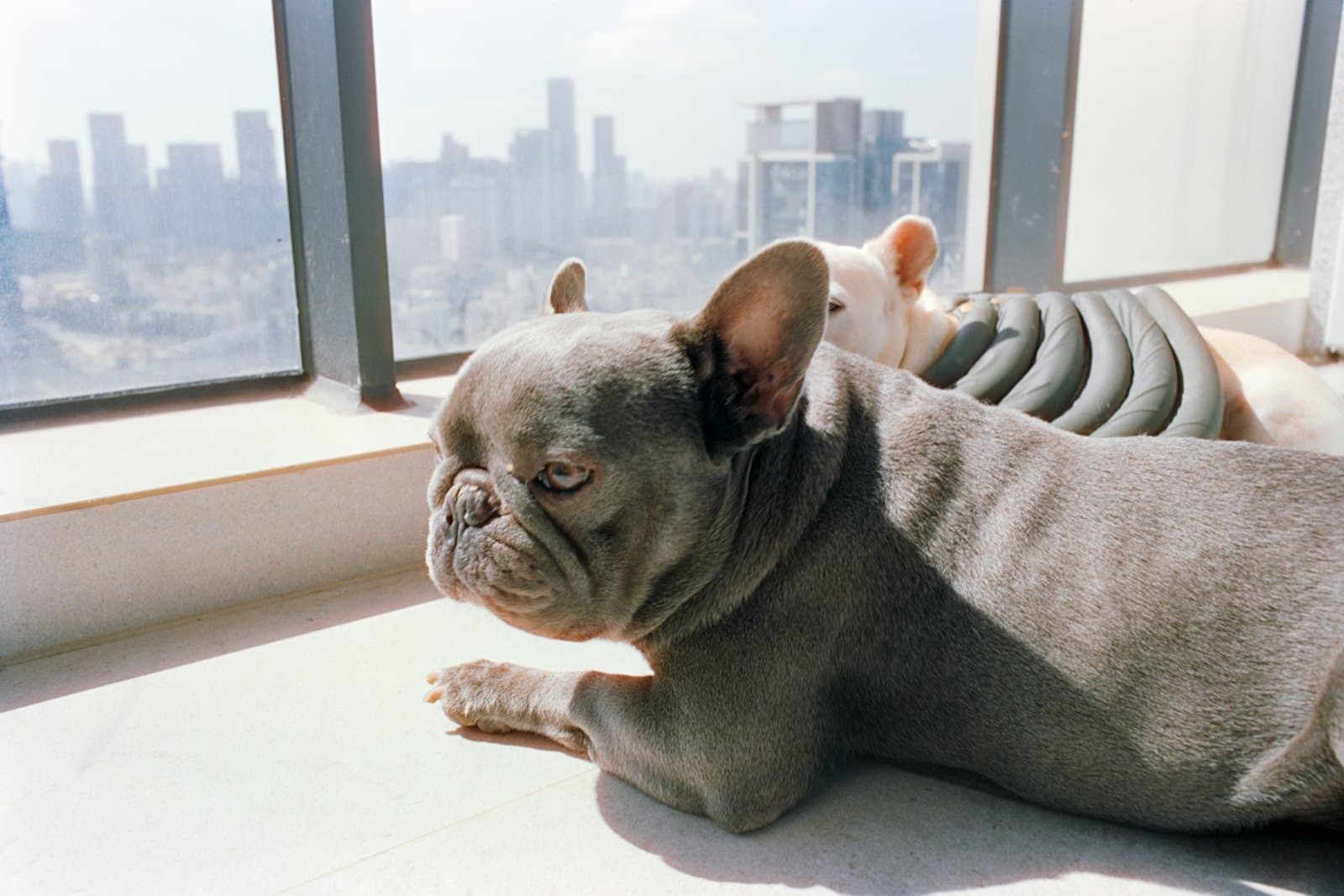
Photo by Zhen Yao on Unsplash
“Can I keep a dog in my apartment?” It's one of the first questions apartment buyers ask, and one of the most misunderstood areas of NSW strata law. Since a landmark 2021 Court of Appeal decision, the rules have changed significantly. But the new rules are more nuanced than the headlines suggested, and many strata schemes are still operating under outdated assumptions.
Here's what the law actually says, what your strata scheme can and cannot do, and what to check before you buy.
The 2021 ruling that changed everything
In October 2021, the NSW Court of Appeal handed down its decision in Cooper v The Owners – Strata Plan No 58068[1]. The case involved a miniature schnauzer named Angus whose owner lived in a Darlinghurst apartment building with a blanket “no pets” by-law.
The Court ruled that a by-law imposing a blanket ban on all pets is “harsh, unconscionable or oppressive” under Section 150 of the Strata Schemes Management Act 2015 (SSMA)[2] and therefore invalid. The reasoning: keeping a pet is a fundamental aspect of the enjoyment of a home, and a total prohibition without any mechanism for individual assessment goes too far.
This was a Court of Appeal decision (just one step below the High Court), so it's binding on all lower courts and tribunals in NSW. It effectively struck down every blanket pet ban in the state overnight.
Important: The Cooper decision didn't say strata schemes can't regulate pets at all. It said they can't impose a blanket ban. There's a significant difference: schemes can still set reasonable conditions and restrictions.
What by-laws can (and cannot) do now
After the Cooper decision, many strata schemes updated their by-laws to comply. The current legal position is:
By-laws CAN:
- ✓Require owners to seek approval before keeping a pet
- ✓Set reasonable conditions (e.g. pets must be on a leash in common areas, waste must be cleaned up immediately)
- ✓Limit the number of pets per lot (typically 1–2)
- ✓Restrict pets from certain common areas (e.g. the pool, gym, or rooftop terrace)
- ✓Require pets to be registered with the council and microchipped
By-laws CANNOT:
- ✗Impose a blanket ban on all pets
- ✗Ban entire categories of pets without individual assessment (e.g. “no dogs allowed”)
- ✗Refuse a pet application without genuine reasons specific to that animal
- ✗Charge a pet bond or deposit (this isn't authorised under the SSMA)
How pet approval works in practice
Most modern strata by-laws now follow a “permission with conditions” model. The typical process looks like this:
- 1.Submit a written application to the strata committee or managing agent, including the type of animal, breed, size, and temperament.
- 2.The committee reviews the application at their next meeting. Some by-laws set a timeframe (often 14–28 days); if no response is received within that period, approval may be deemed granted.
- 3.The committee decides based on the specific animal and the building. They must give reasons if they refuse.
- 4.Approval may come with conditions. For example, the dog may need to be carried in the lift, or the cat may need to be kept indoors.
Tip for buyers: Before purchasing, ask the strata manager for the current pet by-law and any recent pet-related correspondence. This tells you how the building actually handles pet applications in practice, not just what the rules say on paper.
When can a strata scheme refuse a pet?
A strata scheme can still refuse a specific pet, but only on genuine, animal-specific grounds. Legitimate reasons include:
- •Size relative to the lot. A Great Dane in a 35m² studio is a genuine welfare concern.
- •Noise or nuisance history. If the specific animal has documented noise complaints or aggressive behaviour, that is relevant.
- •Damage to common property. This applies where the animal has caused or is likely to cause damage to shared areas.
- •Health and safety. Allergies of other residents may be relevant, though this is contested in case law.
- •Local council restrictions. If the animal is restricted or prohibited by the local government area, that is a valid ground.
“We're not a pet building” or “other owners don't want pets” are not valid reasons for refusal. Neither is “the by-laws say no pets” if the by-law is a blanket ban.
Common pet restrictions in NSW strata
While blanket bans are invalid, most strata schemes have adopted reasonable conditions. Here's what you'll commonly see in modern pet by-laws:
| Restriction | Typical rule | Likely valid? |
|---|---|---|
| Leash in common areas | Dogs must be on leash or carried | Yes |
| Waste cleanup | Immediate cleanup required | Yes |
| Number limit | Maximum 1–2 pets per lot | Yes |
| Use service lift only | Pets not in passenger lift | Depends |
| No pets in pool/gym | Excluded from recreational areas | Yes |
| Weight limit (e.g. under 10kg) | Small dogs only | Contested |
| Breed ban | No “restricted breeds” | Likely no* |
| No pets at all | Blanket ban | No |
* Breed-specific restrictions that mirror council dangerous dog declarations are more likely to be valid. Arbitrary breed bans without safety justification are more likely to be struck down.
What to do if your pet is refused
If your strata scheme refuses your pet application, you have several options:
- 1.Ask for written reasons. The committee should explain why they refused the specific animal. If they can't articulate genuine reasons, their refusal is likely invalid.
- 2.Apply for mediation through NSW Fair Trading[3]. This is free and often resolves disputes without escalating to the tribunal.
- 3.Apply to NCAT (NSW Civil and Administrative Tribunal) under Section 150 of the SSMA if the by-law or its application is harsh, unconscionable, or oppressive[4]. The filing fee is approximately $55.
- 4.Challenge the by-law itself if it's a blanket ban or a categorical ban that doesn't allow individual assessment. Post-Cooper, NCAT has consistently struck down such by-laws.
Track record: Since the Cooper decision, NCAT has overwhelmingly sided with pet owners when by-laws impose blanket or categorical bans. If your building still has a “no pets” by-law, it's almost certainly unenforceable.
Buying an apartment when you have pets
If you're buying a strata apartment and you have (or plan to have) a pet, check these things before you commit:
- 1.Read the current by-laws. These are in the Section 184 certificate[5](strata report). Look for the specific pet by-law: does it allow pets with approval, or does it still have a blanket ban? If it's a blanket ban, know that it's technically invalid, but you may still face resistance from other owners.
- 2.Check the meeting minutes. Pet-related disputes show up in AGM and committee meeting minutes. If the building has been fighting about pets for years, that's a red flag for ongoing tension, even if the law is on your side.
- 3.Check for existing pets. If the building already has dogs, the practical barriers to pet ownership are much lower. If yours would be the first, expect more scrutiny.
- 4.Consider the building layout. Ground floor with courtyard access is ideal for dogs. Upper floors without a balcony in a building with no nearby park may create genuine welfare concerns that could justify restrictions.
- 5.Get approval before settlement if possible. Submit your pet application during the cooling-off period. If the building is difficult about pets, better to know before you've committed.
Check before you buy: Search for a strata plan on StrataChecks to check key strata details, including levy amounts and financial health, that may help you assess how well the building is managed before you commit.
Key takeaways
- •Blanket pet bans are invalid in NSW since the 2021 Cooper decision. If your building's by-laws say “no pets,” that by-law is unenforceable.
- •Strata schemes can still regulate pets, but they can't ban them outright. Reasonable conditions like leash rules, number limits, and area restrictions are valid.
- •Refusals must be specific to the individual animal. “We don't allow dogs” is not a valid refusal. “This particular dog has documented noise issues” potentially is.
- •Before buying, read the by-laws and minutes. The law may be on your side, but living in a building that's hostile to pets creates ongoing stress even when you're technically right.
- •NCAT is the backstop. If your application is refused without genuine reasons, the tribunal has consistently sided with pet owners since Cooper.
References
- [1]Cooper v The Owners – Strata Plan No 58068 [2021] NSWCA 250. Available at caselaw.nsw.gov.au.
- [2]Strata Schemes Management Act 2015 (NSW), s 150. Available at legislation.nsw.gov.au.
- [3]NSW Fair Trading, “Strata mediation”. Available at fairtrading.nsw.gov.au.
- [4]NCAT, “Apply to resolve a strata or community scheme dispute”. Available at ncat.nsw.gov.au.
- [5]Strata Schemes Management Act 2015 (NSW), s 184. Available at legislation.nsw.gov.au.
Upload a strata report.
Get a plain-English risk breakdown in 60 seconds. Free, no sign-up.