We Analysed 2,000 Strata Disputes in NSW — Here's What Goes Wrong Most
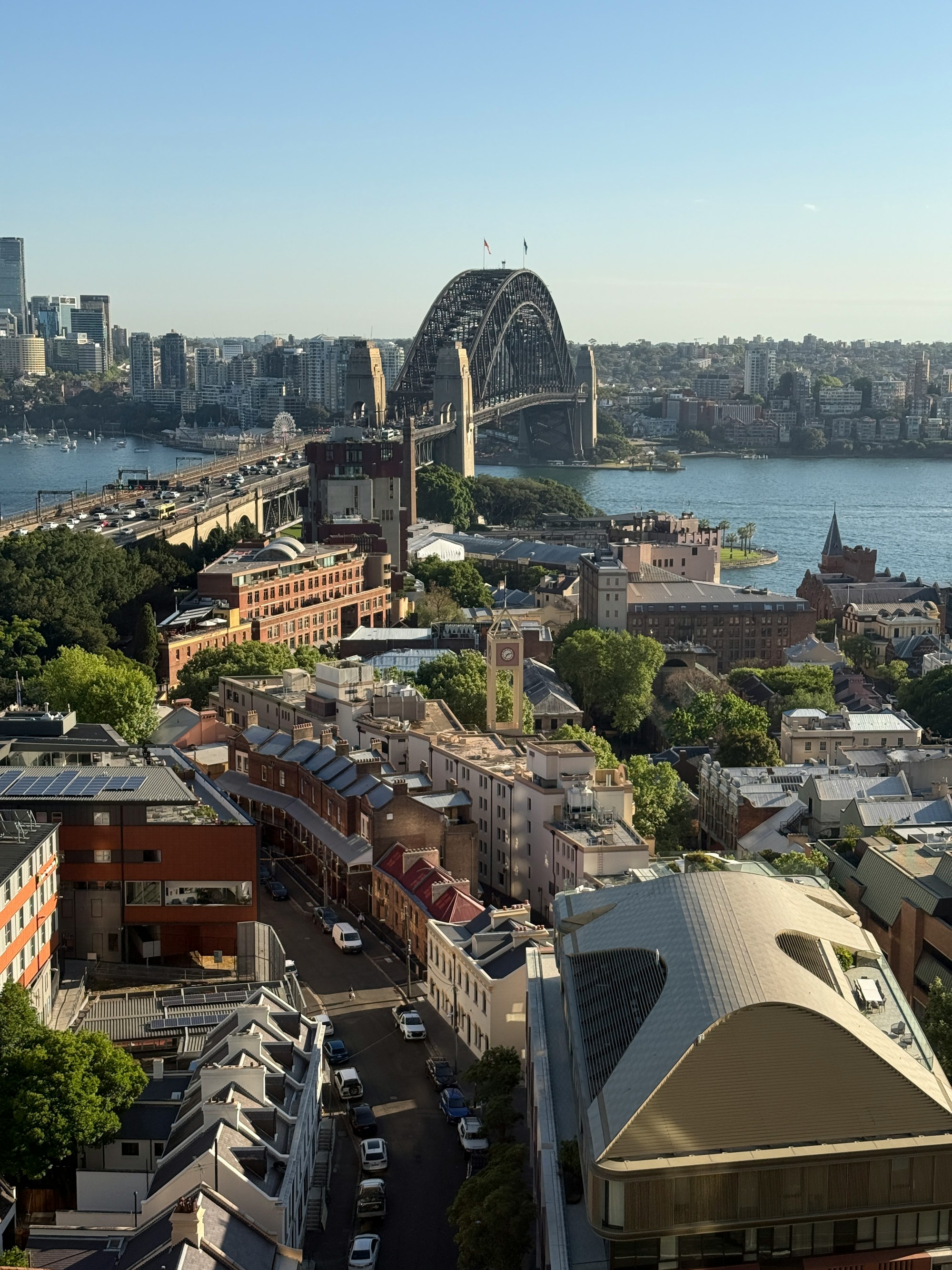
Photo by Jay Lee on Unsplash
When you are buying into a strata scheme, the financial statements tell you about the building's health. But the tribunal records tell you about its character.
We scraped and analysed 1,986 published decisions from the NSW Civil and Administrative Tribunal (NCAT) involving strata schemes — every publicly available case where a strata plan number appeared in the case name. This covers decisions from NCAT, the NCAT Appeal Panel, the Supreme Court, and other NSW courts and tribunals.
The results paint a clear picture of what actually causes conflict in NSW apartment buildings — and some of the findings are surprising.
The Top Five Dispute Types
We categorised each case by its primary dispute type based on the catchwords and case summary. Here is what NSW strata schemes fight about most:
Building Defects
8.5%Construction defects, waterproofing failures, structural problems, and claims against builders or developers.
Strata Management Disputes
5.5%Conflicts with managing agents, governance failures, disputed committee decisions, and breaches of duty by strata managers.
Renovations & Alterations
5.1%Owners modifying their apartments without proper approval, or disputes over what constitutes common property versus lot property during renovations.
By-Law Breaches
3.5%Parking violations, noise complaints, unapproved changes to common property, and disputes over pets, storage, or balcony use.
Common Property Repairs
2.9%Disagreements over who is responsible for maintaining or repairing shared infrastructure — hallways, roofs, pipes, driveways, and common facilities.
The Biggest Surprise: Defects Dominate (But Not Overwhelmingly)
If you follow property news, you would expect building defects to be the overwhelming majority of strata conflicts. The Mascot Towers saga, the Opal Tower evacuation, the ongoing cladding crisis — these stories dominate headlines and shape public perception.
The data confirms defects are the top dispute type, but they are far from dominant. Building defects account for just 8.5% of tribunal cases — barely ahead of strata management disputes (5.5%) and renovations (5.1%). The narrative gap between media coverage and actual tribunal data is striking.
What explains this? Building defect claims make headlines because they involve large sums, affect many units, and raise systemic questions about building standards. But most strata conflict is mundane: governance failures, renovation disputes, by-law breaches, and arguments over who pays for repairs. These disputes do not generate media attention, but they are the daily reality of strata living. Collectively, non-defect disputes outnumber building defect cases by more than 10 to 1.
Cases Are Accelerating — Fast
The volume of strata disputes reaching NCAT has grown dramatically over the past decade:
77
cases in 2015
140
cases in 2018
210
cases in 2021
295
cases in 2025
Nearly 4x growth in a decade.
Several factors are driving this trend. The number of strata schemes in NSW is growing rapidly — particularly high-density developments in Western Sydney and the inner suburbs. The Strata Schemes Management Act 2015 expanded NCAT's jurisdiction and made it easier to bring claims. And owners are simply more aware of their rights than they were a decade ago.
Whatever the cause, the practical implication for buyers is clear: strata disputes are becoming more common, not less. Checking a building's tribunal history is no longer optional due diligence — it is essential.
Repeat Offenders: 36% of Buildings Come Back
Perhaps the most concerning finding is how many buildings appear in tribunal records more than once. Of the strata schemes in our dataset, 242 buildings — 36% — have been to NCAT multiple times.
Some buildings are serial litigants. We found schemes with eight or nine separate cases spanning years of ongoing conflict. These are not buildings with one-off problems — they are buildings with systemic governance issues, entrenched disagreements between owners, or fundamental structural problems that generate dispute after dispute.
Why this matters for buyers:
A single tribunal case might be a one-off — a neighbour dispute that was resolved, or a defect claim that reached a settlement. But multiple cases are a pattern. If a building has been to tribunal three or more times, that tells you something fundamental about how the owners corporation functions (or does not function). It is a signal of ongoing conflict, poor governance, or unresolved structural issues that no amount of fresh paint will fix.

What This Means for Property Buyers
Based on this analysis, here is how to use tribunal records as part of your due diligence:
Green flags:
- No tribunal history at all (the majority of buildings)
- A single resolved case, especially a proactive defect claim against a builder
- A by-law update case (shows the OC is modernising governance)
Worth investigating:
- One or two cases involving levy recovery (could be isolated non-payers)
- A renovation dispute that was resolved with clear orders
- A strata manager termination (may indicate the OC is improving governance)
Red flags:
- Three or more cases — indicates a pattern, not bad luck
- Multiple different dispute types (defects + management + by-laws = dysfunction)
- Cases spanning many years with no resolution
- Levy recovery combined with financial mismanagement claims
- Active, unresolved litigation at the time of purchase
How to Check a Building's Tribunal History
Checking NCAT records manually is possible but tedious. You need to know the strata plan number (which you can find on the Section 184 certificate or contract of sale), then search caselaw.nsw.gov.au for that plan number. Each case needs to be read individually to understand the substance of the dispute.
Or you can search the strata plan number on StrataChecks, which automatically surfaces any linked NCAT decisions alongside the building's other details — address, number of lots, managing agent, and location context. It takes about five seconds.
Methodology
This analysis is based on 1,986 published decisions from caselaw.nsw.gov.au where one or more strata plan numbers appeared in the case name. Cases were sourced from NCAT (Consumer and Commercial Division), the NCAT Appeal Panel, the NSW Supreme Court, and other NSW courts and tribunals that hear strata-related matters.
Dispute categories were assigned based on the catchwords field of each decision. Cases with multiple dispute types were categorised by their primary issue. The temporal analysis uses the decision date as published. "Repeat offender" buildings are identified by matching strata plan numbers across multiple cases.
Published decisions represent a subset of all NCAT matters — many cases are resolved at mediation, withdrawn, or decided without a published judgment. The actual number of strata disputes in NSW is significantly higher than what appears in this dataset.
Check any building's dispute history
Search by strata plan number or address to see NCAT cases, building details, and location context — free, no signup required.
Search a Building →Upload a strata report.
Get a plain-English risk breakdown in 60 seconds. Free, no sign-up.