Strata Insurance in NSW: What It Covers, What It Doesn't, and What Buyers Need to Know
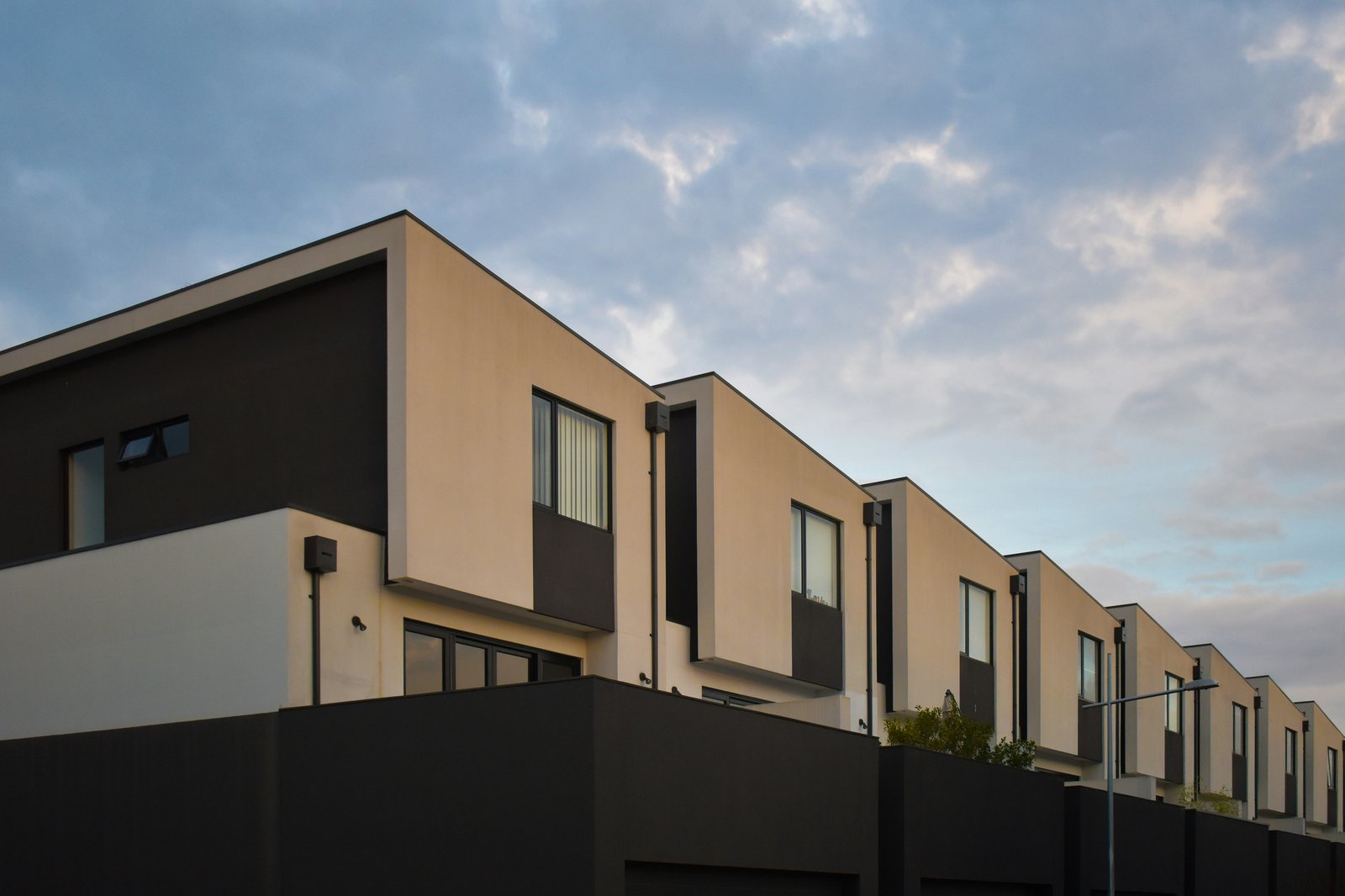
Photo by Cherry Lin / Unsplash
Every apartment in an NSW strata scheme comes with building insurance paid through your levies. Most buyers assume this means they're covered. They're half right. Strata insurance protects the building's structure and common areas, but it leaves significant gaps that catch new owners off guard, particularly around contents, renovations, and liability.
Here's exactly what your strata insurance does and doesn't cover, what the law requires, and what you should check before buying.
What the law requires
The Strata Schemes Management Act 2015 (NSW) mandates three types of insurance for every owners corporation:
1. Building damage insurance (Section 160)
The owners corporation must insure the building under a damage policy covering destruction or damage by fire, lightning, explosion, and other events specified in the policy. Section 161 sets out what the policy must include: coverage to rebuild or restore each part of the building to a condition “not worse or less extensive” than when new, plus debris removal and professional fees (architects, engineers, and other necessary consultants).
The building must be insured for at least its full replacement value, not its market value. Replacement value is the cost to demolish and rebuild the entire structure from scratch, which for apartment buildings often exceeds market value significantly. The NSW Government recommends owners corporations get professional replacement valuations every 2 to 5 years to keep this figure current, though there is no legislated frequency requirement under the 2015 Act.
2. Public liability insurance (Section 164)
The owners corporation must hold liability insurance covering death, bodily injury, and property damage that occurs on common property. The Act specifies a minimum of $10 million per event, but Regulation 40 of the Strata Schemes Management Regulation 2016 raises the operative minimum to $20 million for all NSW schemes.
This covers incidents in shared areas: someone slipping in the lobby, a balustrade giving way, a tree on common property falling onto a car. Section 164 also separately requires insurance against liability for injury to volunteers who do unpaid work on behalf of the owners corporation (such as gardening or minor repairs). In practice, most insurers bundle this into the same policy.
3. Workers compensation insurance
Only required if the owners corporation directly employs people (a building manager on payroll, for example). Schemes that only use contractors don't need this.
There's one narrow exemption to all of this: under Section 160(4), two-lot schemes can opt out of building insurance entirely, but only if the buildings are physically detached, no building or part of a building is situated outside those lots, and the decision is made by unanimous resolution.
What strata insurance actually covers
Strata building insurance covers the physical structure and anything permanently attached to it as it was when originally built. Think of it as everything that would still be there if you picked up a unit and turned it upside down:
- External and internal walls, roof, foundations
- Common areas: lobbies, stairwells, lifts, hallways, pools, gyms
- Permanent fixtures within your lot: built-in cabinetry in kitchens and bathrooms, original bathroom fittings, permanently attached flooring (tiles, hardwood that was glued down)
- Common property contents: lobby furniture, gym equipment, garden tools (if the policy includes shared contents cover)
Section 161 also requires the damage policy to cover “owners' improvements and owners' fixtures forming part of the building.” This means permanent improvements (like tiled bathroom renovations that become part of the building structure) are technically within scope of the strata policy. However, in practice the sum insured is often based on the original building spec, so upgraded fixtures may not be adequately covered unless the valuation has been updated to reflect them.
The key distinction is between the building as originally constructed and anything that is temporary, removable, or not yet reflected in the sum insured.
What strata insurance does NOT cover
This is where buyers get surprised. The owners corporation's insurance explicitly does not cover:
Your personal belongings. Furniture, electronics, clothing, jewellery, artwork. None of it. Even if a burst pipe on common property floods your apartment and destroys your sofa, the strata insurance won't replace it.
Temporary or removable items in your lot. Floating floors, carpet, blinds, curtains, non-permanently-attached appliances (your fridge, washing machine, dishwasher if freestanding). In NSW, internal paint and wallpaper are also generally classified as the lot owner's responsibility, not the owners corporation's.
Renovations and upgrades (if the sum insured hasn't been updated). If you (or a previous owner) renovated the kitchen, replaced the bathroom, or installed new flooring, those improvements may not be adequately covered by the strata policy. While the Act requires the damage policy to cover owners' improvements “forming part of the building,” the sum insured is typically based on the original building specification. A lot originally fitted with laminate benchtops and basic cabinetry that now has a $40,000 stone-and-custom-joinery kitchen may only be rebuilt to original spec unless the valuation and sum insured have been updated.
Loss of rent or temporary accommodation. Some strata policies include this as an optional extra, but it's not standard. If your apartment becomes uninhabitable due to insured damage, you may need your own cover for alternative accommodation.
What you need to insure yourself
As a lot owner, you need separate insurance for:
Contents insurance covers your personal belongings, temporary fixtures (carpet, blinds, curtains), removable appliances, and any improvements you've made to the lot. If you're a landlord, landlord's insurance covers these items plus loss of rental income.
The cost is relatively low (typically $200 to $500 per year for contents insurance on a standard apartment) and covers scenarios the strata policy explicitly excludes.
Optional: lot owner's building insurance for any renovations or upgrades that exceed the original building spec. Some contents policies include a “fixtures and improvements” component, but check the limit. A $10,000 default allowance won't cover a full bathroom renovation.
What to check in a strata report before buying
When reviewing a strata report, the insurance section tells you a lot about how well the building is managed. Here's what to look for:
Is the building insured for full replacement value? Compare the sum insured against the building's size and construction type. An older brick low-rise might be insured for $5 to $10 million. A modern high-rise with underground parking, lifts, and a pool could easily be $50 million or more. If the sum insured looks low relative to the building, the owners corporation may be underinsured, and a major claim could leave owners covering the shortfall.
When was the last valuation? Replacement valuations should happen every 2 to 5 years. Construction costs rose sharply between 2022 and 2025, and buildings that haven't revalued recently are almost certainly underinsured. Look for valuation reports in the minutes or financial statements.
What's the excess? Strata policies typically have an excess (deductible) of $500 to $5,000 per claim, sometimes higher for specific events like storms or water damage. A high excess might indicate the scheme is trying to keep premiums down at the cost of higher out-of-pocket expenses when something goes wrong.
Have premiums been increasing? Sharp premium increases can signal a poor claims history. If the building has had multiple water damage claims, fire incidents, or liability events, insurers respond with higher premiums. Check whether levies have increased to match, or whether the scheme is absorbing the cost elsewhere.
Is there any history of insurance disputes? Look in the meeting minutes for discussions about declined claims, disputes with insurers, or complaints about coverage gaps. These are red flags for future problems.
Tip: StrataChecks flags insurance risks automatically when it analyses your strata report, including underinsurance indicators, missing valuations, and unusual premium patterns across 88,000+ NSW strata plans.
Common insurance traps for apartment buyers
The renovation gap
You buy an apartment with a beautifully renovated kitchen and bathroom. Six months later, a fire destroys the lot. The strata insurance rebuilds to original spec: laminate benchtops, builder-grade tiles, basic fixtures. Your $80,000 worth of renovations? Gone, unless you had your own lot owner's insurance covering improvements, or the owners corporation had updated its valuation and sum insured to reflect the upgrades.
The water damage gap
A burst pipe in the unit above floods your apartment. The strata insurance covers repairing the pipe (common property) and restoring your walls and ceiling to original condition. It does not cover your ruined furniture, electronics, carpet, or the three weeks of temporary accommodation while repairs happen. Contents insurance covers the belongings; your own policy's temporary accommodation cover handles the rest.
The underinsurance gap
Construction costs have increased roughly 30% since 2020 in many parts of NSW. A building insured for $20 million three years ago might cost $26 million to rebuild today. If a total loss occurs and the building is underinsured, each lot owner could be liable for their share of the shortfall. This is rare, but the consequences are severe.
Key takeaways
Strata insurance is mandatory and comprehensive for the building itself, but it's not a complete safety net for individual owners. The building structure, common areas, and original fixtures are covered. Your belongings, renovations, removable fixtures, and temporary accommodation generally are not. Budget $200 to $500 per year for your own contents insurance, and check that any renovations are covered either by the strata policy or your own.
When reviewing a strata report, pay attention to the sum insured, the last valuation date, the excess amount, and the premium trend. These four data points tell you whether the building is properly protected or carrying hidden risk. If you want this analysis done automatically, StrataChecks can help.
Sources & citations
Legislation
- Strata Schemes Management Act 2015 (NSW), Section 160 — Damage policy — mandatory building insurance, replacement value requirement, two-lot exemption at s.160(4)
- Strata Schemes Management Act 2015 (NSW), Section 161 — Requirements for damage policy — rebuild to “not worse or less extensive” than when new, debris removal, professional fees, owners' improvements
- Strata Schemes Management Act 2015 (NSW), Section 164 — Liability insurance — $10M minimum per event (raised to $20M by Regulation 40), voluntary workers insurance
- Strata Schemes Management Regulation 2016 (NSW), Regulation 40 — prescribed minimum liability amount of $20 million
Government guidance
- NSW Government — Strata insurance — overview of mandatory insurance types, recommended valuation frequency (every 2-5 years)
- NSW Fair Trading — Strata insurance requirements — lot owner responsibilities, contents insurance guidance
Industry sources
- LookUpStrata — NSW Strata Insurance Guide — lot owner vs owners corporation responsibilities, paint and wallpaper classification
Upload a strata report.
Get a plain-English risk breakdown in 60 seconds. Free, no sign-up.